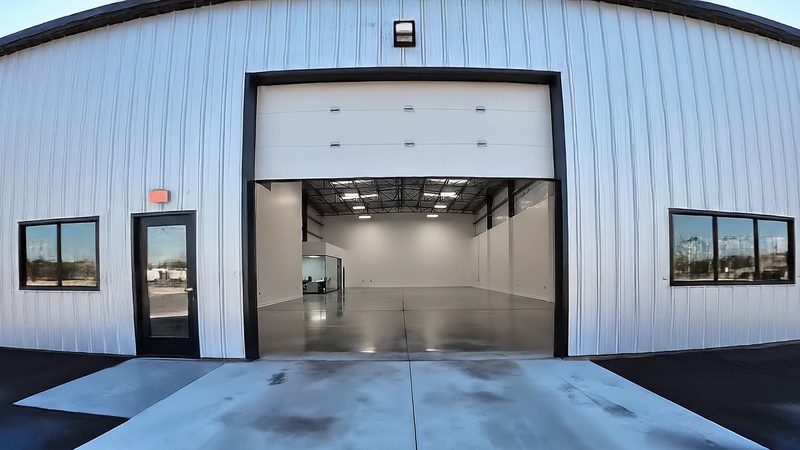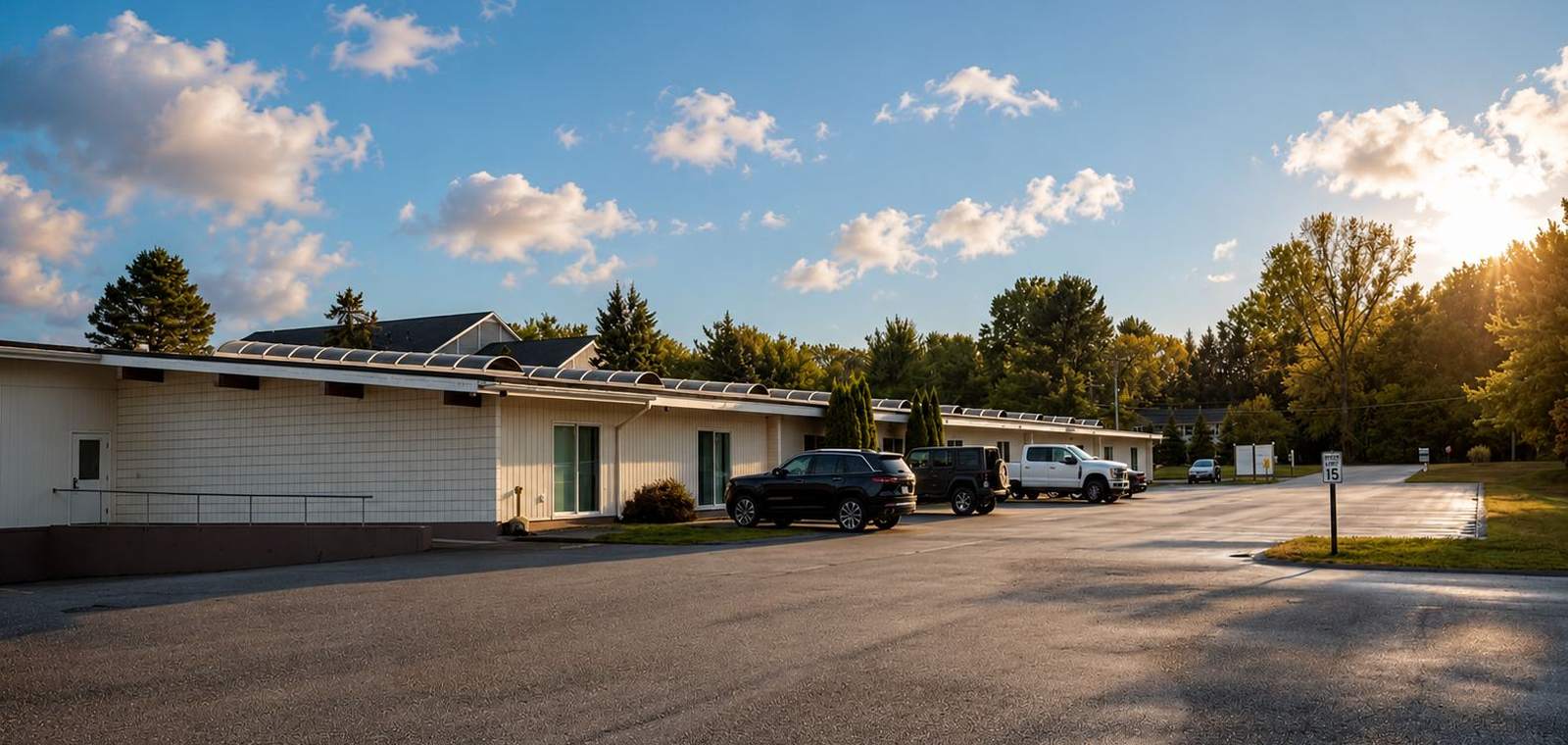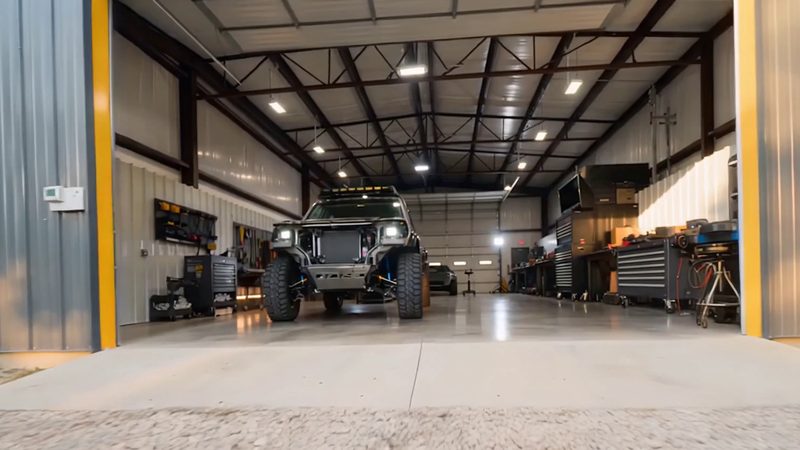
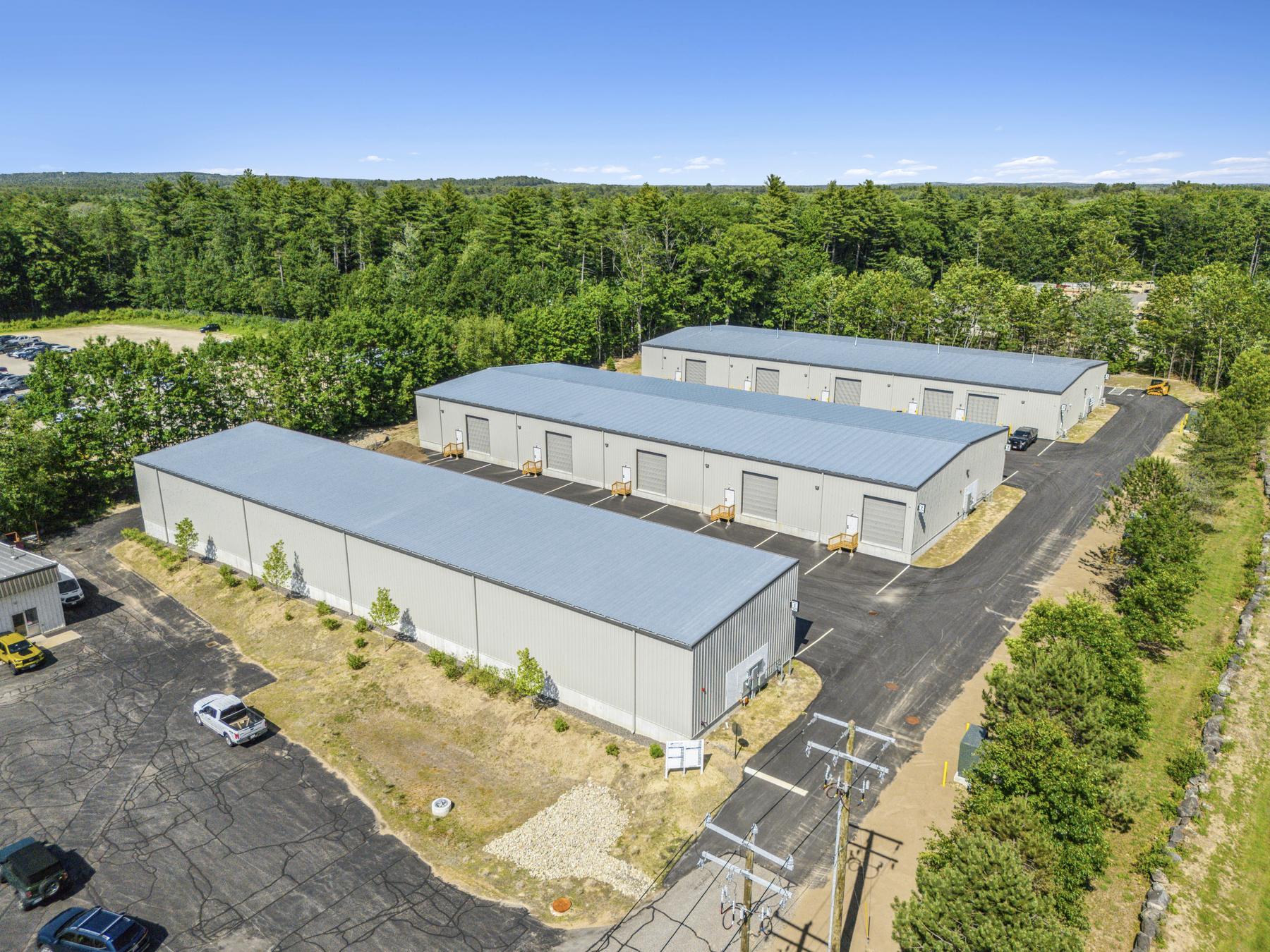
Name the bias first: we rent bays for a living, so every incentive we have points one direction. Read this guide knowing that, and knowing that the fastest way to lose a partner’s trust forever is to talk them out of a purchase that was right for them. So here is the version of this argument we’d give a friend: buying is often the right long-term move for an established shop, renting is almost always the right first move for a new one, and the expensive mistakes live at the boundary. This guide is about finding your side of it.
01What buying actually takes
| Line | The reality | Straight talk |
|---|---|---|
| Down Payment | SBA 504/7(a) loans can go as low as ~10% down for owner-occupied buildings, the best financing most small businesses ever see | 10% of a $600k building is $60k of working capital that stops being working capital |
| The Search | Small owner-occupied industrial rarely lists; good buildings sell quietly | Plan on months to a year, while the business waits |
| All-In Monthly | Mortgage + taxes + insurance + ALL maintenance + vacancy risk on any extra space | Run it like an all-in number; owners get CAM surprises too, they just get them alone |
| The Upside | Equity, control, fixed costs, and the building often outperforms the business as an asset | Real: this is why established shops buy, and why we’d never argue otherwise |
| The Risk | Location lock, capital lock, and being your own landlord on the worst day of both jobs | The roof fails during your busy season; nobody else picks up the phone |
02The three questions that decide it
A building purchase amplifies whatever the business already is. Amplifying a proven operation is leverage; amplifying a guess is gambling with a mortgage attached. If you’re still finding the model, rent while you find it.
The classic failure: a healthy shop buys a building, then can’t fund inventory, hires, or the slow season because the capital lives in the walls. If $50 to 80k out of the company would change how you operate, the company isn’t ready to rent space and be its own landlord.
Buying fixes your location; renting keeps it liquid. A shop still discovering its service area, size, or second location shouldn’t bolt itself to a parcel. One that’s been turning away work at the same address for three years arguably should.
Rent small → prove the model → grow in place (the adjacent bay) → bank the numbers → buy with an SBA loan from strength, often keeping the rented bay as the satellite. Renting first isn’t the opposite of ownership, for most operators it’s the route to it. Ask how and when a lease can end before you sign, so this sequence works; a landlord who traps you at step four was never a partner at step one.
03The math, honestly run
Compare the true monthly of each path: our quotes use One United Price, so put them against mortgage + taxes + insurance + a real maintenance reserve (owners who budget $0 for the roof meet the roof eventually). Then price the difference in flexibility: what does it cost you to be unable to move, expand next door, or shrink for a season? For a growing shop that number is usually bigger than the equity line. For a stable one, it usually isn’t, and that’s your answer.
“Buy when the building would amplify the business. Rent while the business is still deciding what to amplify.”
Request Shop Manual updates by email. There is no fixed publication schedule. Free: even though this one can talk you out of being our partner.
Request received.When you’re on the rent side of the line: size it honestly, interrogate the lease (ours included), and keep the graduation playbook handy: because the goal was never rent forever. It was room to grow.