A commercial lease deserves careful questions and, where needed, advice from your own professional. These twenty-seven questions follow the order of a leasing conversation. Bring them to our buildings or a competitor’s, and use them to prepare for your own lease review.
“A fair lease survives its own arithmetic being read out loud.”
§1The money questions
Everything in a lease eventually becomes a number. These first questions force the numbers into the open while you still have leverage, which is to say, before you've signed.
Ask for base rent, CAM (common area maintenance, your share of park upkeep), taxes, insurance, and any admin fee added together, as one figure, in writing. If the answer is a rate per square foot and a shrug, the building has a math problem it wants you to discover in month three.
The label matters less than the arithmetic. Make the landlord translate the structure into last year’s actual dollars for the exact space you’re taking. A fair landlord has that number; an unfair one has an estimate that rounds down.
Not the projection: the actual. Then ask what’s in it: snow, landscaping, lot maintenance, management fee. Ask which lines the landlord controls and whether those are capped.
Fixed-percentage escalators can be shown as arithmetic today. CPI-linked ones can’t. Ask for year three in dollars on paper; if the lease can’t produce that number, you are signing a variable you can’t price.
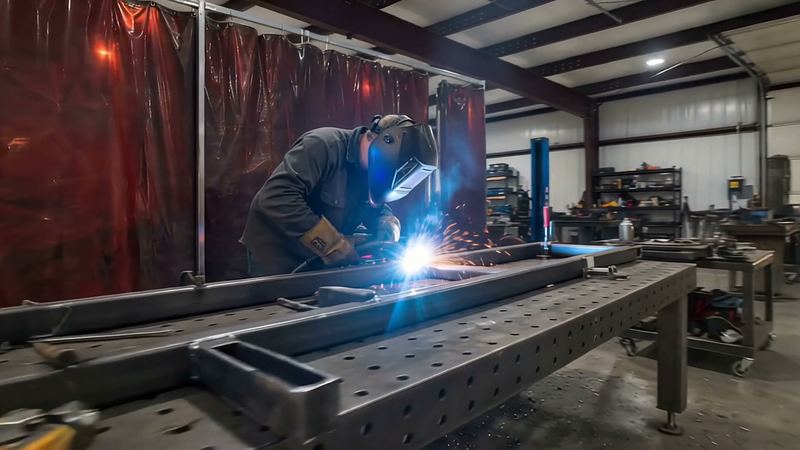
The building brochure says “heavy power.” Your welder cares about the panel in your bay: amps, single- or three-phase, 208 or 480. Have your electrician read the panel schedule before you sign, not after your first tripped main.
A drain to sanitary sewer with an oil-water separator is one thing; a drain to daylight is another; no drain at all changes your fit-out. If you wash, spray, or wrench, this single question decides whether the bay works.
Two documents can each say no. The town’s zoning table decides what the parcel allows; the lease’s use clause decides what the landlord allows. Get your specific use named in the lease, “general industrial” has evicted a lot of gyms.
Most small-bay leases want $1M/$2M general liability with the landlord as additional insured; some add property and umbrella. Price the certificate before you sign, for most trades it’s $900 to $3,000 a year, but spray finishing and fitness change the quote fast.
Many landlords ask you to guarantee the lease personally. The fair version is capped, a fixed number of months that burns down as you pay on time. The unfair version follows you for five years after your LLC is gone. Ask which one this is, out loud.
Want to hear when we add guides like this one? Request Shop Manual updates by email. Free, whether you rent from us or not.
Request received.§2The building questions
The physical building decides what your business can become inside it, and almost none of it is in the listing. Questions 10 through 19 walk the slab, the heights, the doors, the neighbors, and the water.
If you will ever anchor a lift, a rack row, or a machine, the slab is your foundation and the manufacturer’s manual is the law: most call for 4 to 6 inches at 3,000+ PSI with anchors kept clear of joints. A landlord who can show a slab spec, or will let you core-test, is a landlord who has answered this before.
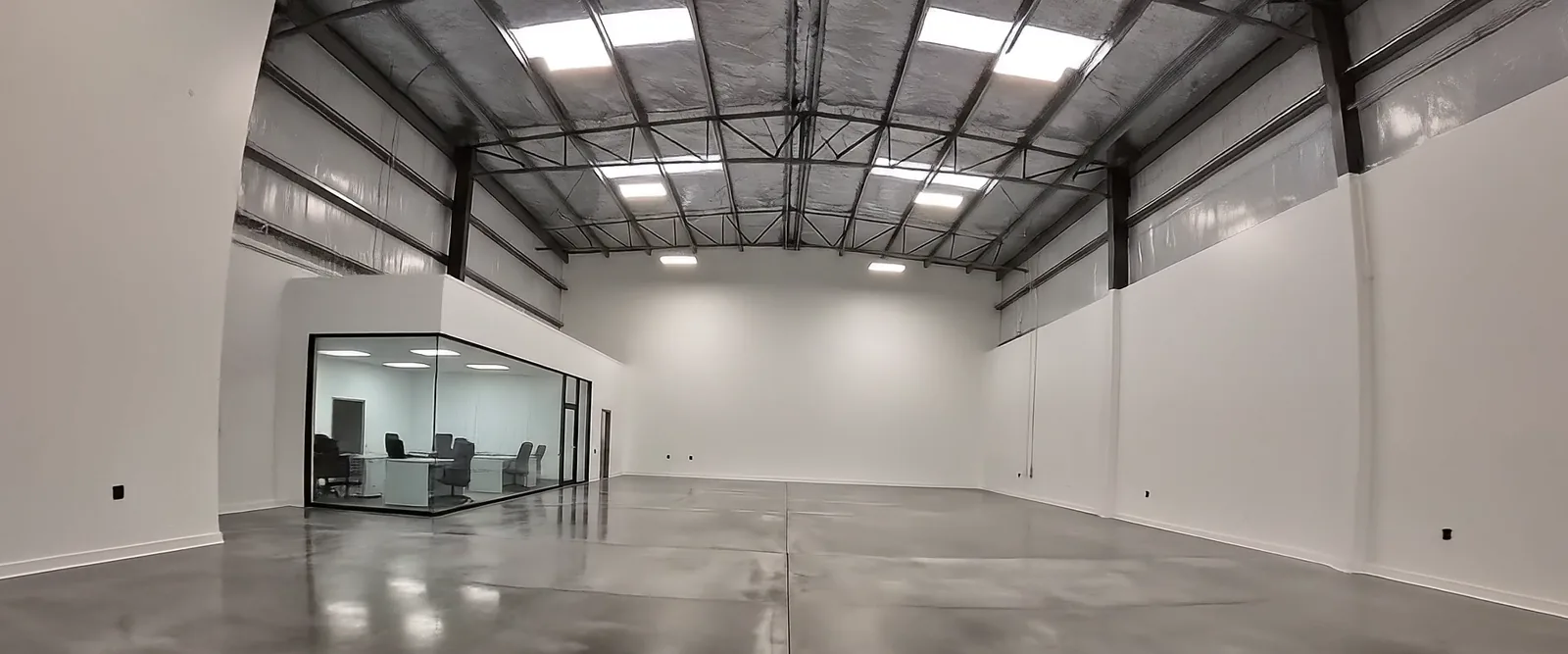
Ducts, sprinkler mains, door tracks, and light fixtures all hang below the number in the listing. Measure to the lowest thing in the space you’ll actually use, the lift zone, the rack row, the rig line, and get that number, not the marketing number.
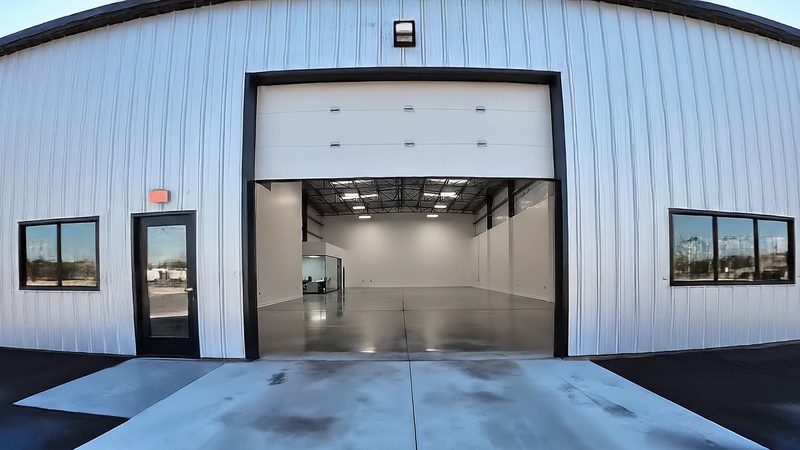
Measure width AND height of the clear opening, then check your tallest loaded vehicle against it, racks, ladders, and light bars included. Door track and header steel almost always shave inches off the stated size exactly where you need them.
Walk the aisle and read the doors. A compressor neighbor is fine for a fabricator and miserable for a recording studio; a 5 a.m. loading crew is ambience to a contractor and a complaint waiting to happen for others. Ask the landlord how they place uses, a good one has an answer.
Ask the roof’s age and last inspection, then look at the lot: where does snowmelt pond, does the apron slope toward your door, and what happened in the last hundred-year storm (they come more often now). Water damage to your inventory is your policy’s problem, and your problem first.
Northern bays live and die by this line. Ask for a similar partner’s actual winter utility numbers, what the heat source is, and what insulation the walls and door really carry. “Utilities vary” is not an answer; a January number is.
Fume extraction, makeup air, dust collection, and a paint-adjacent exhaust all need penetrations, which need landlord approval and sometimes permits. Get the yes (or the no) in writing before you price equipment that assumes it.
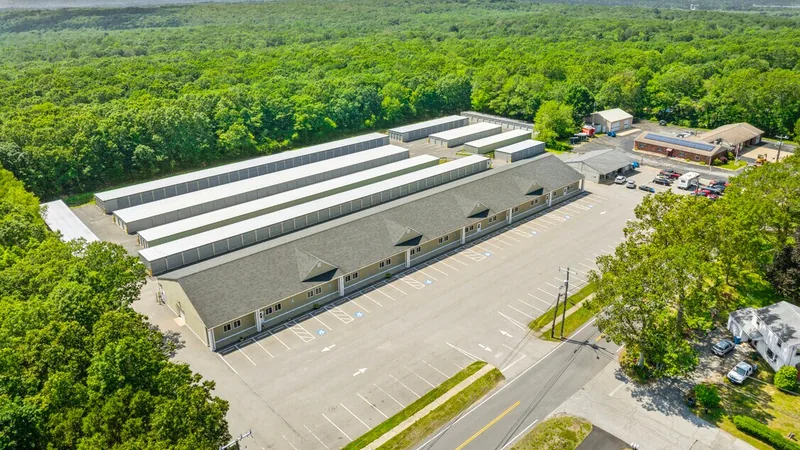
Get an assigned count in the lease, plus the policy on trailers, equipment, customer vehicles, and anything parked overnight. Shared-lot fights are the most common neighbor-vs-neighbor friction in every park in America, and they’re all preventable on paper.
Which carriers reach the building, is the water line live, is gas plumbed, and are the meters separate or shared? “Available at the street” and “in the unit” are different answers with a trench between them.
Gates, cameras, lighting, and access logs are specs; the real question is the story. Ask when the last break-in or theft happened and what changed after. A landlord who answers that honestly will answer everything else honestly too.
§3The paper questions
The lease itself, in plain English. None of these take a law degree; all of them take ten minutes you'll be glad you spent, ideally before the tour, certainly before the signature.
Assignment and subletting clauses decide whether your lease is an asset or a trap when you exit. Look for “consent not unreasonably withheld” language, and ask what the landlord’s actual process and fees are for an assignment.
Most leases charge 150 to 200% of rent if you stay past the end date without a renewal. Life slips; build-outs run long; closings move. Know the number and the notice mechanics before you need the grace.
Some leases let the landlord relocate you within the property with notice. For a business with anchored equipment, published addresses, and customer habits, that clause deserves either deletion or tight limits (costs paid, comparable space, real notice).
Find the exact date you must give notice to renew (or to leave) and put it in three calendars. Notice windows of 6 to 9 months before expiry are common, and missing one either locks you in or throws you out, both at the worst time.
Maintenance splits vary wildly: many small-bay leases hand HVAC repair (and sometimes replacement) to the partner. Get the split as a table, roof, structure, slab, doors, HVAC, plumbing, glass, and ask what each has cost lately.
Know the grace period on rent, the fee schedule, and what non-monetary defaults exist (insurance lapse, unapproved alterations, use violations). Fair leases give real cure windows; harsh ones make a bad month into a crisis.
Your lease should bind successors, and mostly does, but ask about termination-on-sale or redevelopment clauses, and whether your renewal options survive a new owner. The trades’ horror stories almost all start with “then the building sold.”
Surrender clauses decide whether your improvements stay, your racking holes are “damage,” and your deposit returns. Do a documented walkthrough with photos at move-IN, agree what stays at move-OUT, and get the standard in writing.
This checklist helps you prepare questions; it does not replace advice about your particular lease. Ask a qualified attorney to review obligations you do not understand, especially personal guarantees, permitted use, renewal rights and build-out responsibilities.