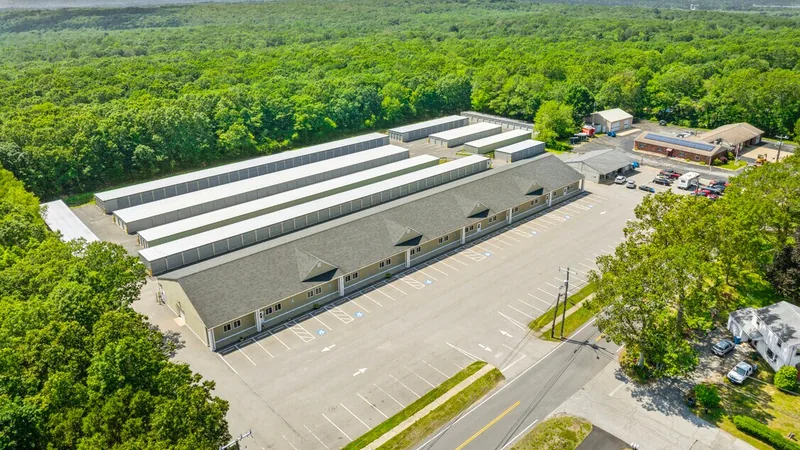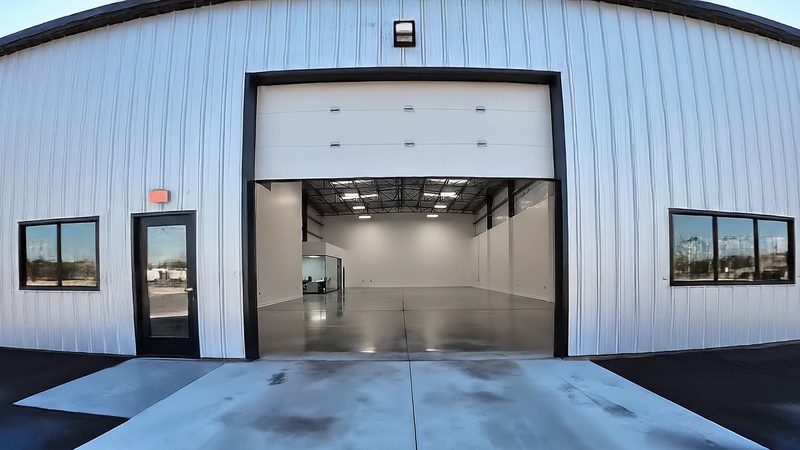
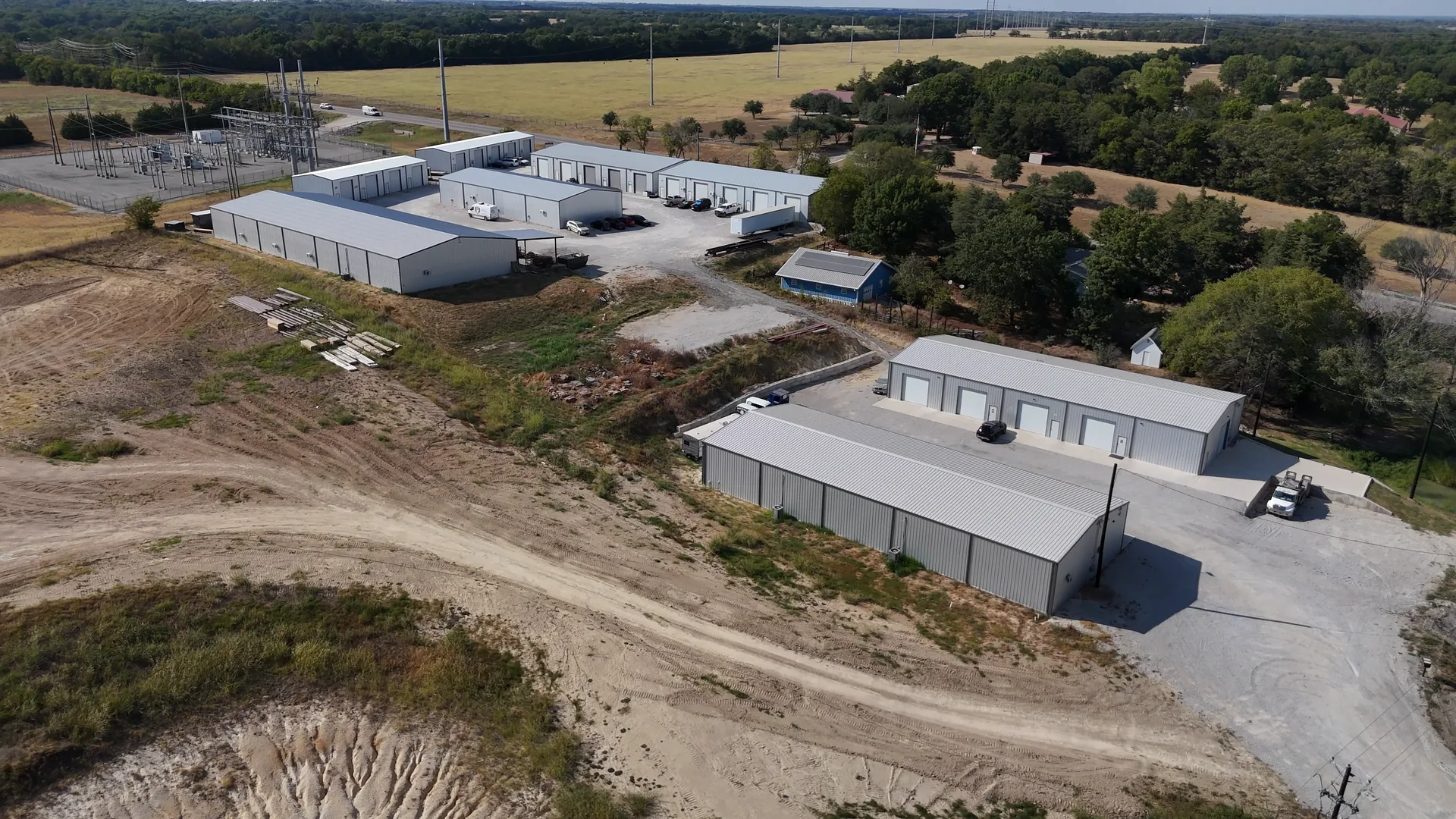
There's a version of this story that ends badly, and it never starts with the business failing. It starts with the business working: orders climbing, gear multiplying, a hire or two, and then six months of squeezing, tripping, and turning down work because the space made the decision before the owner did. Growth you don't plan for gets planned for you, usually at the worst price. This guide is the earlier, cheaper version of that conversation.
01Is it outgrowth, or just entropy?
Before pricing a bigger space, review your layout: remove dead inventory, assess whether approved racking can improve storage, and arrange the workflow around how the work moves today. Confirm usable height, floor loading and approvals before adding racks or a mezzanine. The signals that remain after that review are more useful: declining profitable work for lack of room, materials repeatedly occupying work aisles, staff unable to work safely at the same time, or essential equipment with no suitable footprint.
02The four moves
| Move | Take it when | Watch out for |
|---|---|---|
| Expand Next Door | Your park has (or will have) an adjacent vacancy; your growth is more-of-the-same work | Ask the landlord to note your interest in writing, at our parks the reserve list on a neighboring bay is free, and partners get first call |
| Second Location | Demand is geographic: customers or jobs cluster somewhere your current bay isn't | You're not doubling space, you're doubling rent, insurance, and places to be. Works best once someone besides you can run a room |
| Trade Up | You need a different kind of space, taller, more power, better door, not just more of it | Time the move to your lease end and your slow season; a mid-lease move pays twice |
| Graduate To A Warehouse | You're consistently over ~4,000 to 5,000 square feet of true need, with docks, staff, and shifts in the picture | Congratulations, and take the fit-out lessons with you: the all-in number gets bigger, not simpler |
03Make the math, not the mood, decide
Add up ninety days of jobs you declined, deferred, or did slowly because of space. That number, not the rent difference, is what expansion is bid against. Most owners have never actually written it down; it's usually larger than they think.
Your current revenue ÷ current SF is your baseline. If the expanded space only needs to hit half your existing $/SF to pay for itself, the risk is low. If it needs to match it from month one, you're early.
The four-step sizing method works at every scale, footprints, clearances, zones, growth margin. Size the eighteen-months-from-now operation, not today's squeeze.
The cheapest expansion is the one your current landlord makes easy: the adjacent bay, a transfer to a larger unit in the park, or a lease that ends cleanly. We build our parks, and our leases, assuming partners grow. Use that.
“The space made the decision before the owner did. Don't let it.”
Request Shop Manual updates by email. There is no fixed publication schedule. Free, whether you rent from us or not.
Request received.