Facebook Marketplace put a billion-plus monthly shoppers one tap from the main app, searching for exactly the kind of things small operators sell: furniture, tools, equipment, vehicles, building materials, gym gear. There are no listing fees for local sales, no store to build, and the buyers are already there. The catch is that everyone else is there too, so the sellers who win treat listings as a craft and messages as a sales pipeline, not a chore.
01How the feed decides who sees your listing
Marketplace is a ranking engine, like Google with couches. It decides how widely to show your listing based on how buyers react to it, taps, saves, messages, and on your track record as a seller: response speed, ratings, completed sales. Practical translation: your first photo and price determine whether the algorithm ever gives you a real audience, and your reply speed determines whether it keeps doing it. Everything below feeds one of those.
02The listing that sells
Clean background, daylight or shop lights, item filling the frame. Then add 5 to 9 more: every angle, the flaws honestly, the model plate, and one in-use shot. Honest flaw photos don't lose sales, they pre-answer the message that kills momentum.
Search sold and active listings for your exact item and price just under the middle. You paid what you paid; the market doesn't care. Leave 10% of haggle room, because everyone asks, and a fast sale at 95% beats a proud listing at month three.
Brand + model + item + one differentiator, in that order: “DeWalt DW735 planer, extra blades.” Buyers find listings by searching nouns. Adjectives are decoration.
Dimensions, condition, age, why you're selling, what's included, pickup area, and “cash or [payment app], porch pickup available.” Every question you answer in advance is a message you don't have to win.
Marketplace shows your response rate, and the algorithm and buyers both read it. First complete answer usually gets the sale. Saved replies (below) make speed nearly free.
Renew free every week to bump the feed. If an item stalls for two weeks, delete and relist fresh with a new first photo and a nudged price, fresh listings get a discovery window that tired ones don't.
Full-time sellers run three saved replies: availability (“Yes, it's available, when works for pickup?”), the lowball counter (“I'm firm at $X this week, happy to hold it with a deposit”), and logistics (address, hours, payment). Send, don't compose. The seller who answers in two minutes with complete information beats the one who answers in two hours with “yes.”
03When it outgrows the garage
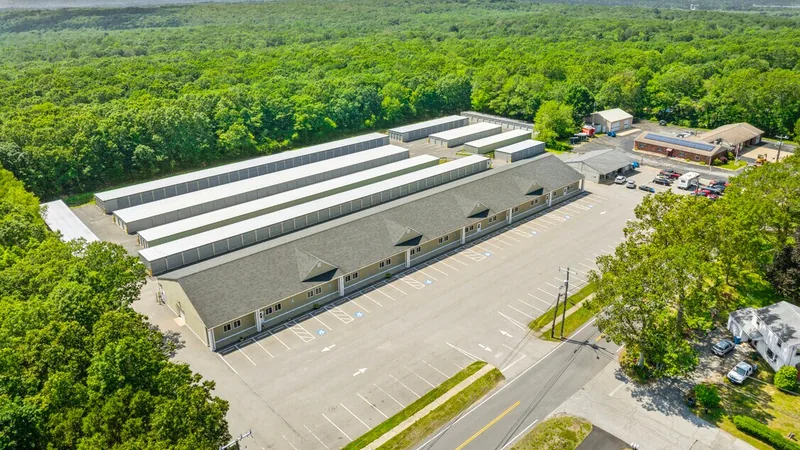
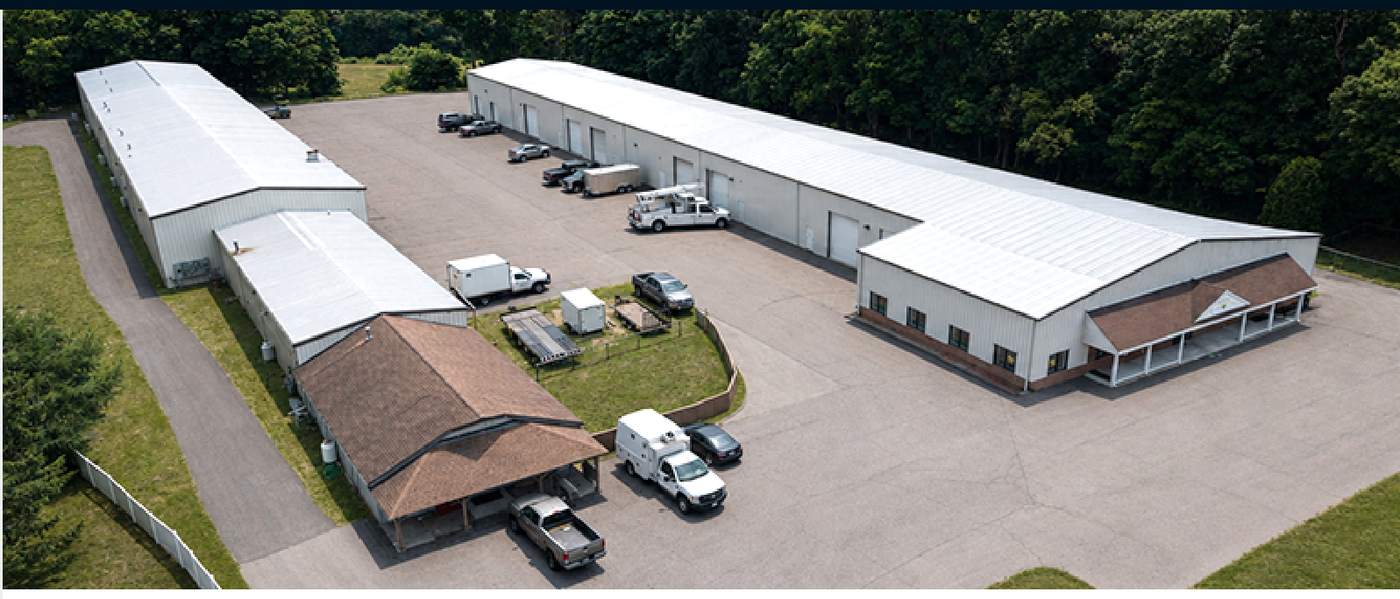
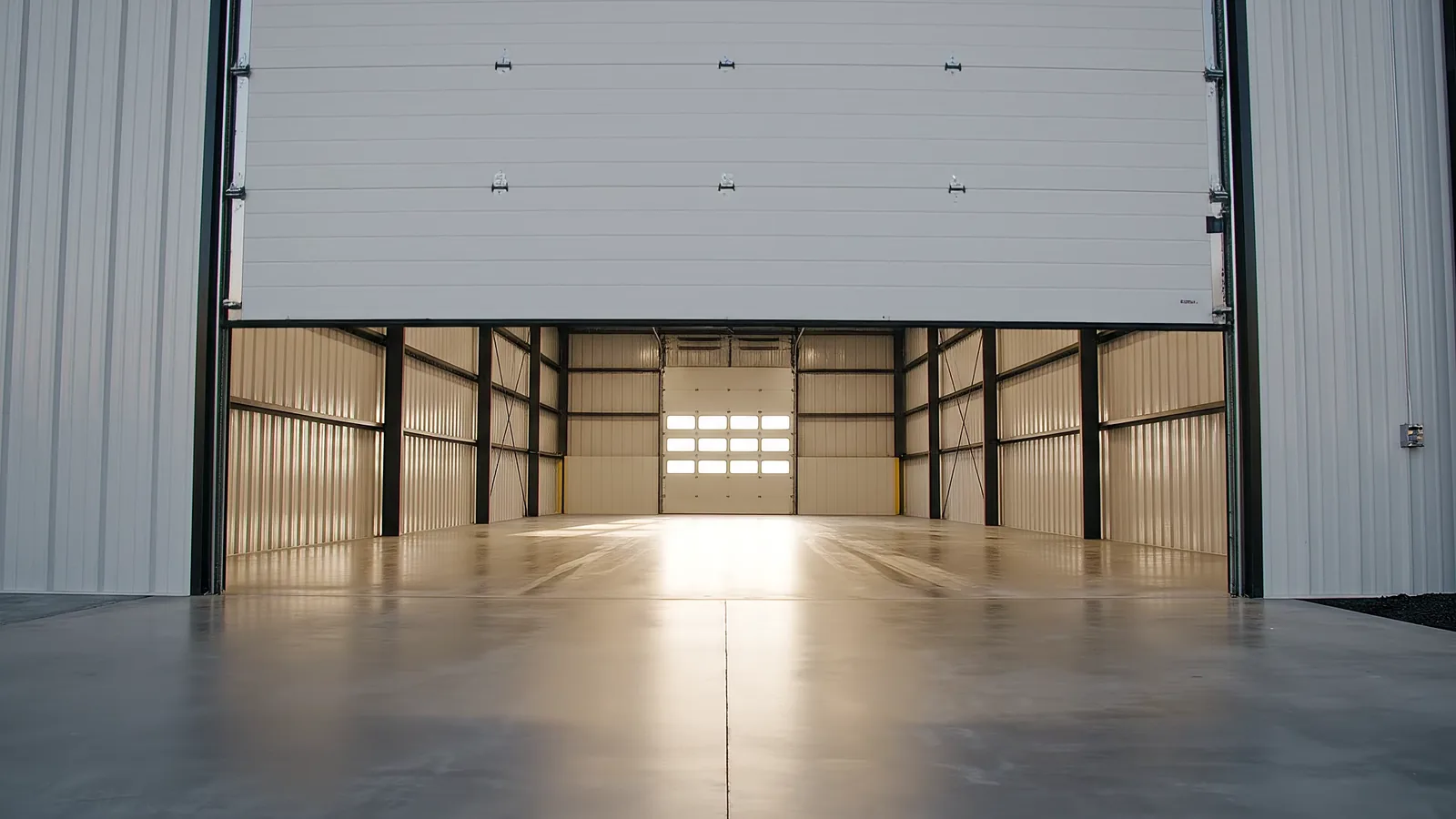
Every serious Marketplace operation hits the same wall: inventory in the living room, buyers coming to your home address, nowhere to stage, photograph, or store. That's the moment the hobby either stalls or becomes a business. A small flex bay changes the math, racking for inventory, a clean corner that makes every photo better, a roll-up door for load-in, and a commercial address you can hand strangers instead of your home. Plenty of sellers start exactly here: selling on weekends, then moving into a bay when the garage says no.
“Amateurs list things. Operators run inventory, photos, price, and reply time as a system.”
Request Shop Manual updates by email. There is no fixed publication schedule. Free, whether you rent from us or not.
Request received.Two natural next reads: how much space a resale operation actually needs (with racking math), and turning happy buyers into a review base that carries into whatever you build next.